sábado 19 de septiembre de 2009

The Fez


The name Fez is believed to come from Fez, the city, which once produced the hat's red dye, made from crimson berries.
The origins of the Fez, or "tarboosh" in Morocco, is not clear. The design may have come from ancient Greece or the Balkans. In the 19th Century it gained wide acceptance when the Ottoman rulers moved to modernize traditional costumes. The brimless hat did not get in the way of a Muslim's daily prayers and was cleaner and less cumbersome than the turban.
A version of the fez was used as an arming cap for the 1400-1700s version of the mail armour head protector (a round metal plate or skull-cap, around which hung a curtain of mail to protect the neck and upper shoulder. The fez, presumably padded, raised up the metal plate an inch or two to provide effective protection from heavy blows. The fez could be optionally wrapped with a turban.
Fez being made in Tunisia.

The red fez with blue tassel was the standard headdress of the Turkish Army from the 1840s until the introduction of a khaki service dress and peakless sun helmet in 1910. The only significant exceptions were cavalry and some artillery units who wore a lambskin hat with coloured cloth tops. Albanian levies wore a white version of the fez. During World War I the fez was still worn by some naval reserve units and occasionally by soldiers when off duty.

The Evzones (light infantry) regiments of the Greek Army wore their own distinctive version of the fez from 1837 until World War II. It now survives in the parade uniform of the Presidential Guard in Athens.
Somali man wearing a white fez

From the late 19th century on the fez was widely adopted as the headdress of locally recruited "native" soldiers amongst the various colonial troops of the world. The French North African regiments (Zouaves, Tirailleurs, and Spahis) wore wide, red fezzes with detachable tassels of various colours. It was an off-duty affectation of the Zouaves to wear their fezzes at different angles according to the regiment; French officers of North African units during the 1930s often wore the same fez as their men, with rank insignia attached. The Libyan battalions and squadrons of the Italian colonial forces wore lower, red fezzes over white skull caps. Somali and Eritrean regiments in Italian service wore high red fezzes with coloured tufts that varied according to the unit. German askaris in East Africa wore their fezzes with khaki covers on nearly all occasions. The Belgian Force Publique in the Congo wore large and floppy red fezzes similar to those of the French Tirailleurs Senegalais and the Portuguese Companhias Indigenas. The British King's African Rifles (recruited in East Africa) wore high straight-sided fezzes in either red or black, while the West African Frontier Force wore a low red version. The Egyptian Army wore the classic Turkish model until 1950. The West India Regiment of the British Army wore a fez as part of its Zouave-style full dress until this unit was disbanded in 1928. The tradition is continued in the full dress of the band of the Barbados Regiment, with a white turban wrapped around the base.
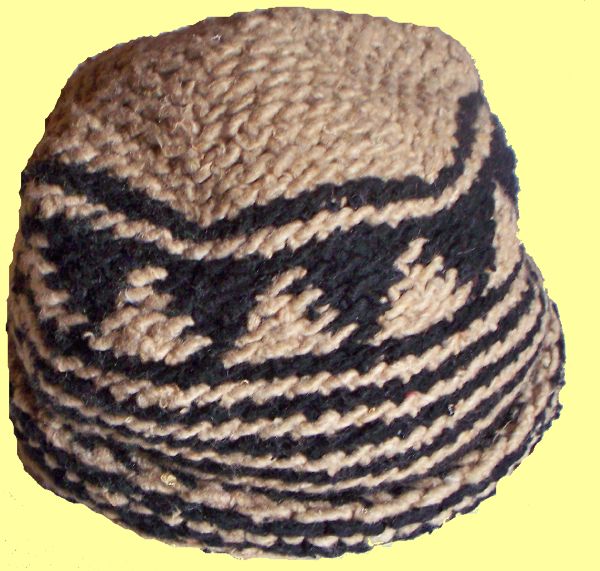
Tunisian Fez (Chechia Megidi)

While the fez was a colourful and picturesque item of uniform it was in several ways an impractical headdress. If worn without a drab cover it made the head a target for enemy fire, and it provided little protection from the sun. As a result it was increasingly relegated to parade or off-duty wear by World War II, although France's West African tirailleurs continued to wear a khaki-covered version in the field until about 1943. During the final period of colonial rule in Africa (approximately 1945 to 1962) the fez was seen only as a full-dress item in French, British, Belgium, Spanish and Portuguese African units; being replaced by wide-brimmed hats or forage caps on other occasions. Colonial police forces, however, usually retained the fez as normal duty wear for indigenous personnel.

In the Western world, the fez occasionally serves as a symbol of relaxation. In cartoons, characters are shown wearing a fez often while lying in a hammock on vacation or just relaxing after a hard day of work. This curious imagery may be a throwback to the late 19th century English practice of men wearing a loose fitting smoking jacket and braided fez-like headdress when relaxing informally in the evenings. Punch cartoons of the period 1875-90 frequently portray middle-class male figures dressed in this fashion. This practice is called "wearing mufti" and came from the habit of British officers and public servants wearing what was then Indian dress in the privacy of their homes. The dress was more comfortable in the Indian climate and created a sense of ease and relaxation such that the clothing, not unlike that of an Islamic scholar or mufti, came into the English language as a word meaning 'out of uniform' or undress.

* One of the most well-known wearings of a fez in a Hollywood film was by Victor Mature, playing Dr. Omar in Josef Von Sternberg's The Shanghai Gesture (1942).
* The Shriners are notable for wearing fezzes.
* The late British comedian and magician Tommy Cooper wore a fez as part of his stage persona.


viernes 17 de abril de 2009

Tagines


The Moroccan Tagine


Tagine is the Moroccan name for a cooking pot,one pot in particular has claimed this name as it's own. The Tagine is made from clay and has a conical lid. It comes in 100s of different sizes and shapes.

Tagines were originally and still today used by the Twarg. The Twarg people are nomads roaming the Moroccan desert.The tagines versatility makes it the ideal cooking implement,being a portable oven,cooking pot and serving dish all in one.The traditional way to cook with a tagine is on a charcoal brazier also made of clay.

The Tagines of today are normally glazed although you can still buy traditional clay Tagines,these are more rustic and need treating before use,to seal the pot and to take away the initial tase of earth.To do this you need a mixture of cooking oil and chopped onions,coat the inside of the Tagine with the mixture.Then leave about a 1/3 of a cup in the Tagine.

Place theTagine in the oven or hob, on a low flame and leave for 1-2 hours.Let the Tagine cool naturally.Never place a hot Tagine on a cold surface and always cook on a low heat.


The very nature of a Tagine is to cook slowly the conical lid acts like a oven to retain the heat,which not only prevents the food from drying out,but allows a slow infusion of flavors throughout the dish.Tagine cooking is by far the most simple and healthy way to cook.All the flavors and goodness stays in the pot.


Moroccan spices are an article in itself, There are several suitable for Tagine.If your lucky enough to pass Morocco.Ask for Tagine spice,this is normally a local mix and varies slightly.Most probably a little of everything.The contribution to food is unbelievable.


Tagines not only come in various sizes and shapes,but also in types.up to now we've only talked about cooking Tagines,functionally the most important but it doesn't stop here.You can use the base of your cooking Tagine to serve food.And strait from the oven its the best way.In fact most Moroccans eat this way using only bread to scoop up the food.There is a vast variety of serving Tagines.From as small as 7cm suitable for sauces etc, to full sizes of 30cm plus.


Serving Tagines are normally very decorative,hand painted with traditional designs.They present your meal perfectly adding decoration to the table. The conical lid keeps food warm and protected.


Tagines have also become a object of decoration,Ornamental or Decorative Tagines.The very shape of a Tagine makes it a focal point be it in the kitchen or living room.Ornamental Tagines can be very decorative.Sometimes adorned with Silver or Gold.Thousands of colorful designs.These Tagines also make great storage jars.Be it for jewelery or loose change,the uses are never ending.


Visit Shop morocco for more information, recipes and a great variety of Tagines


miércoles 8 de abril de 2009

martes 7 de abril de 2009

New Affiliate Program


sábado 28 de febrero de 2009

Sebsi, Scuff or Shisha, Hookah


In the 1960s, Morocco became one of the first destinations on the famed “Hippie Hashish Trail.” But in those early days, cannabis production was geared toward making kif—a local mixture of two-thirds chopped marijuana and one-third tobacco, smoked in a sebsi, the region’s traditional long-stemmed wood-and-clay pipe.Localy called a sebsi, The clay bowl being called a scuff.
The sebsi is still very common today and although maijuana is eligal in Morocco,You will see the sebsi used quite openly.


Moroccan water pipe ( hookah or shisha), Is used with a variety of flavoured tobaccos etc. Although originating in Egypt the water pipe is widley used in Morocco. There are shisha cafes in most larger Moroccan towns. Or it can be used as a very atractive ornament. A focal point and subject of many conversations.Add a little moroccan art and culture to your home.

viernes 20 de febrero de 2009

Special Offer @ Shop Morocco


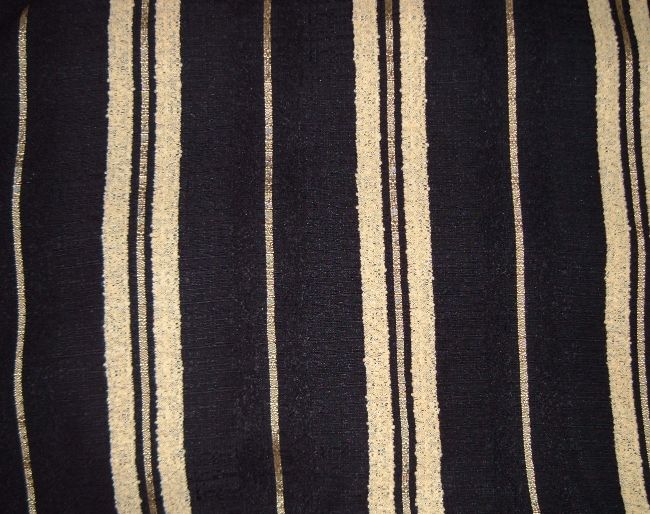
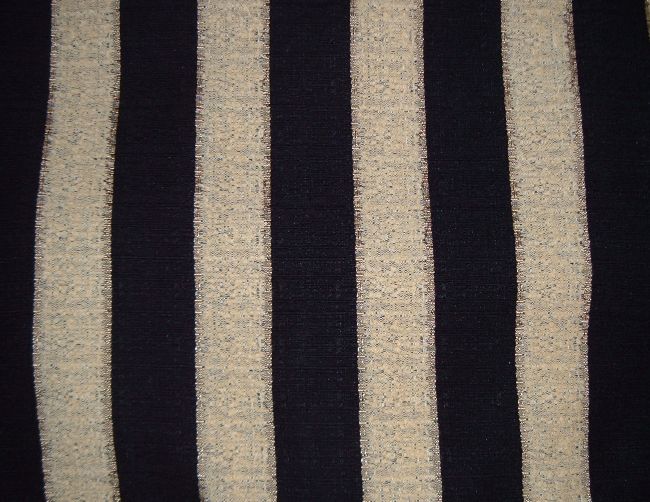
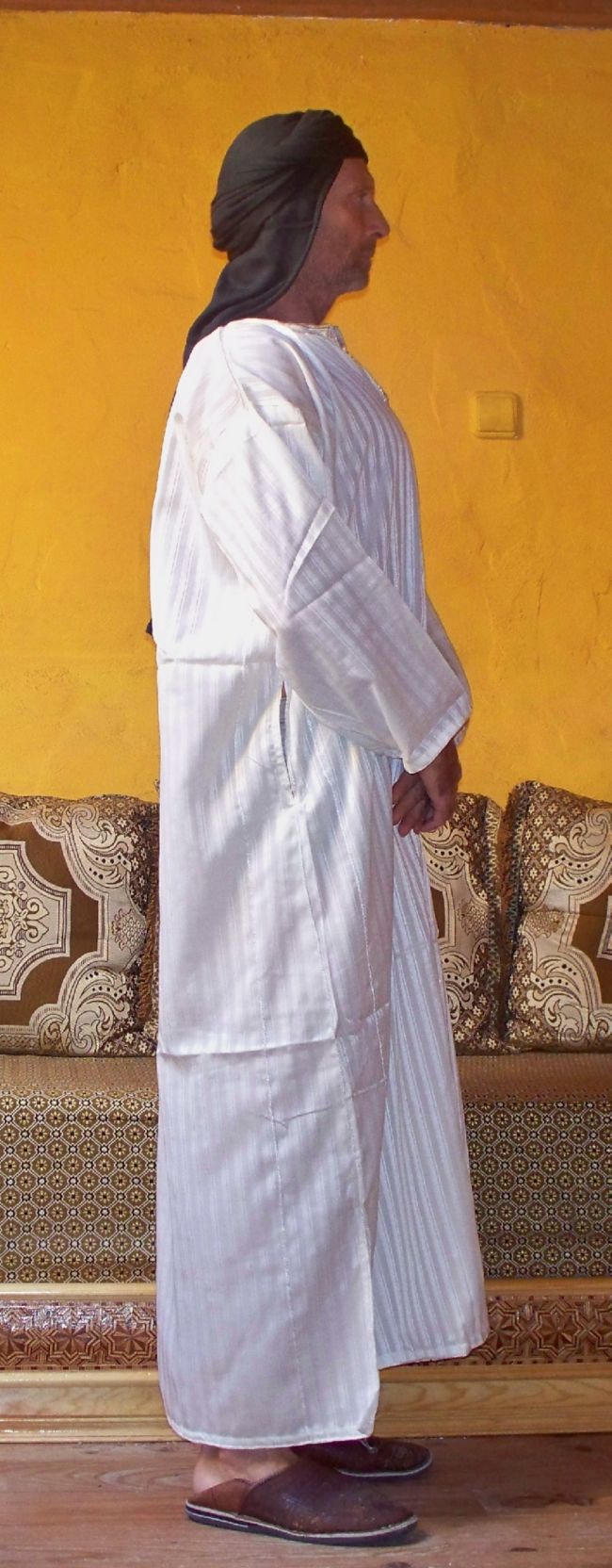
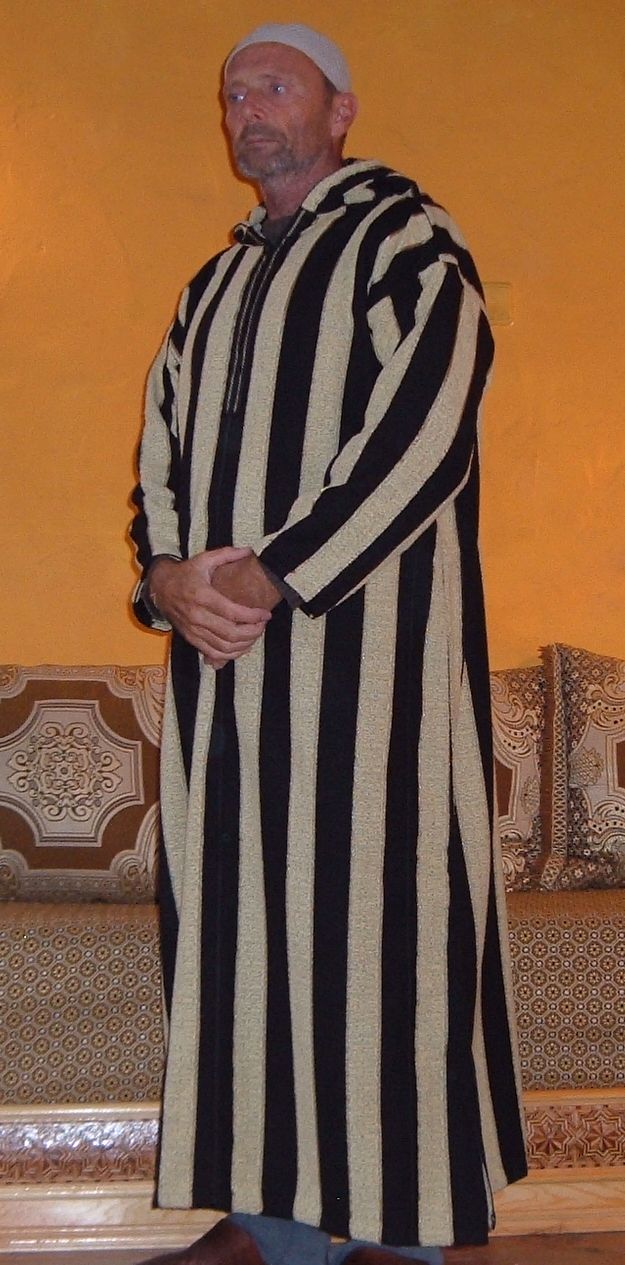
Special offer while stocks last at Shop Morocco. This elegant Men's Djellaba Only € 15.99 less than half the normal price at Shop Morocco

For a large variety of Men and Women's Dejellabas and Gandoras visit Shop Morocco

Moroccan Clothing
Djellabs,Gandoras,

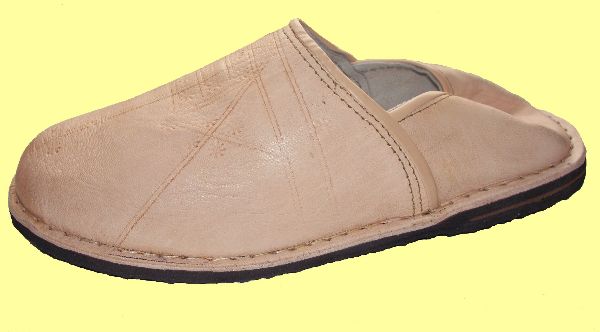
Babouches.

viernes 13 de febrero de 2009

Seffa a traditional Moroccan recipe


To serve two persons (Increase ingredients with numbers if needed)
Seffa with rice
Ingredients:
200g of good long grain rice (Not Basmati Rice, unless you like the fragrance).
400ml of boiling salted water.
50g or 100g of butter (You decide according to taste).
50g or 100g of castor sugar (Again you decide).
50g or 100g of ground cinnamon
Method:
1/ Put rice in a sieve and wash under running cold water to remove the starch and until the water runs clean, then leave to soak in cold water for 30 minutes
2/ Drain the rice and put in a microwavable dish and pour the boiling salted water over the rice and cover with cling film. Pierce a few holes in the cling film for the steam to escape.
3/ Microwave of full power for 15 minutes, then stand for 5 minutes.
PS. Steps 1, 2 & 3 are a good way to cook rice for curries, just use Basmati rice in this case.
4/ Add the butter and half the sugar, use a fork to work it in and fluff the rice
5/ Turn the rice into the serving dish and shape it into a pyramid or cone.
6/ Garnish with the remainder of the sugar and the cinnamon

Seffa with vermicelli
Ingredients:
200g of fine vermicelli (Cheveux d’anges) Angel hair or similar.
Large saucepan.
Plenty of boiling salted water.
Method
1/ Bring the salted water to the boil and add the vermicelli. Do not cover the saucepan
2/ Cook for 4 or 6 minutes (The cooking time depends on your taste. If you like the vermicelli firm cook it for less time)
3/ Drain the vermicelli through a sieve or colander and run it under cold water.
4? Melt the butter in the saucepan, and return the vermicelli into the pan with some of the sugar and toss until the vermicelli is coated.
Steps 5 & 6 are the same as for the rice version.

Recipe by Latif,
Go Morocco

lunes 2 de febrero de 2009

Great Moroccan Forum


Ive just found this great site full of usefull information on Morocco.
It has a forum specialising on Morocco,A relativly new site, so any support would be welcome.
So check it out it's already got some great freindly members and great administration.
http://www.gomorocco.com

sábado 17 de enero de 2009

Shopping Tips


Every town and village has it's own souk,no matter how small.Cities such as Fez and Marrakesh have entire districs crammed with souks,each one dedicated to a particulare trade. while country villages have a weekly general market.

Bargaining is a way of life in Morocco, and although it is difficult for westeners to live in a world without price tags.You need to play the game if you want to purchase the things you want ay resonable prices.
Here are a few tips to help with your dealings; In Morocco bargaining is a social interaction,keep a sense of humor.
Always be polite so you can always return to the shop if you can't get a better price elswere.Accept the tea and hospitality when offered,this enhances the freindly slow nature of bargaining.
Never begin the bargaining process unless you find something you realy want to purchase.
Never show that you are in love with a item.
Always apear to be hesitant (it's not exactly what I'm looking for but how much is this ?).
Never tell the mechant your maximum price as this becomes his minimum.

Morocco is filled with beautiful things that would cost far more in your home country.A fair price goes both ways.

viernes 28 de noviembre de 2008

Moroccan Beef Kefta


Moroccan Beef Kefta On Skewers With Chopped Vegetable Sal


1 1/2 lb beef,Ground
1/2 c onion,Grated
2 cloves garlic -- finely minced
2 T finely fresh,Chopped parsley
2 T finely fresh,Chopped coriander
3 t finely fresh mint or,Chopped
2 t finely fresh,Chopped marjoram
1/2 t cumin,Ground
1/2 t paprika
1/4 t cayenne
1 vegetable salad,,Chopped
1 seedless cucumber --,Peeled
1 lg tomato -- seeded and finely
1 green bell pepper -- seeded
1 and finely
1 hot italian-style pepper --
1 seeded and finely
2 cloves garlic -- finely
1 minced
3 T finely fresh mint,Chopped
2 T red wine vinegar
2 T olive oil -- (up to 3)
1 mint,Dried
1 t marjoram,Dried

In a large bowl combine the beef, onion, garlic, parsley, coriander,
mint, marjoram, salt, pepper, cumin, paprika and cayenne. Cover and
let sit for one hour. Soak 12 wooden skewers in water for one hour.
In a separate bowl combine cucumber, tomato, bell pepper, hot
pepper, garlic, mint, red wine vinegar, olive oil, salt and pepper tossing
to combine. Cover and let marinate at room temperature until ready to
serve.
Preheat grill or broiler.
Dip hands into a bowl of water. Shape and pack about a 1/3 cup of the
meat mixture into 2 sausage-shapes on a soaked wooden skewer.
Repeat procedure for remaining meat and skewers.
Grill the keftas on both sides until cooked through, about 3 to 4
minutes per side. Serve hot with chopped salad.

Hassle Free Shopping

Shop Morocco was created in 2007 by esteve.
Having very close relations with morocco for many years,It seemed to obvious step to take.Now thanks to our much appreciated customers it's growing steadily every day.We are based in Tarifa,Spain.
Tarifa,on the southern coast of spain, the most southern point of europe. Although in Spain,Tarifa's closest city is Tangiers, Morocco.
With only 14k of water (the Straits of Gibraltar) between them.
Trade between the two towns and the rest of europe as existed since the start of time.
Shop Morocco
is a truly hassle free experience.If you've every been lucky enough to travel morocco ,The hustle and bustle of the markets and towns,the sometimes overwhelming pressure of people trying to help or advise.
You will appreciate what Shop Morocco has to offer.Whether its Carpets or Ceramics.Furniture or Lanterns. Enjoy the Hassle free experience of shopping from your own home.

Shop Morocco

Shop Morocco
Our Moroccan Warehouse